A just right wok sits at the middle of endless kitchens, from bustling eating place lines to residence stovetops. It’s extra than a pan - it’s a instrument that shapes the flavor and texture of foodstuff in different techniques. If you’re establishing your stir-fry travel, you’ve possible chanced on the debate: forged iron wok or carbon metallic wok? The option is not very nearly tradition or worth, but about how you prepare dinner, what you want out of your delicacies, and how much persistence you have for protection.
The Wok’s Role in Everyday Cooking
Woks earn their acceptance with the aid of versatility. The sloped sides and deep basin motivate tossing, rapid stir-frying, deep-frying, steaming, or even smoking foodstuff. But the cloth - cast iron or carbon metallic - changes how warm moves, how delicacies browns, and what sort of attempt you’ll invest in care.

Early in my cooking days, I picked up a less costly cast iron wok at an Asian industry, charmed by way of its heft and rustic glance. Years later, I was once proficient a carbon steel wok by using a friend who swore with the aid of its responsiveness. Between these two pans, I’ve made all the pieces from fiery Sichuan stir-fries to comfortable Cantonese steamed fish. Along the approach, I discovered that no unmarried wok is fantastic for absolutely everyone, but expertise the variations enables you desire properly.
Cast Iron Woks: Substance and Stability
Cast iron woks believe forged inside the hand. They have a tendency to be thicker and heavier than their carbon metallic siblings, which comes with real upsides and some drawbacks.
Heat Retention and Even Cooking
Cast iron excels at keeping warmness. Once sizzling, it stays sizzling, that is dazzling for searing meat or holding oil at a continuous temperature for deep-frying. I’ve used my forged iron wok to cook dinner batches of fried white meat, and the oil bounced returned instantly after both addition, resulting in even browning.
On the flip area, solid iron heats up slowly and responds sluggishly to ameliorations in burner power. Quick transformations - so vital for wok cooking - is also complicated. If you toss in cold vegetables, the temperature can drop, and the pan takes longer to recover. For recipes that call for instant, excessive-heat stir-frying (imagine conventional Cantonese chow a laugh), this extend could make meals steam rather then fry.

Durability and Care
One simple power of forged iron is its sturdiness. These woks can last generations if cared for correctly. I’ve noticeable family heirlooms blackened from a long time of use however nonetheless as realistic as ever. That said, cast iron is brittle in comparison to metal. Drop it on a tough ground, and you possibility cracks.
Seasoning is indispensable. Uncoated forged iron develops a natural and organic nonstick floor over the years, but it needs concentration - thorough drying after washing, occasional oiling, and vigilant maintenance from rust. A professional cast iron wok resists sticking, however new pans start out difficult and want time to build up a patina.
Weight and Ergonomics
Cast iron woks are heavy. A familiar 14-inch variant can weigh six pounds or extra, making one-surpassed tossing elaborate and even unimaginable. For some chefs, especially people with wrist or arm concerns, this weight will become an impediment. If you plan to head your wok immediately from stove to desk or use it for general tossing, keep in mind whether you’re blissful with its heft.
Carbon Steel Woks: Speed and Responsiveness
Carbon metal woks have changed into the gold common in Chinese eating places for important causes: they’re faded, fast to warm, and rather responsive.
Fast Heating and Control
A thin carbon metal wok heats up rapidly and cools down simply as quickly. When you turn up the burner, you experience it pretty much suddenly inside the sizzle of aromatics. This responsiveness is valuable for stir-fries, wherein manage over warmness makes your entire change between crisp-delicate veggies and limp ones.
At domicile, I use carbon metal while making dishes like Kung Pao white meat or shrimp with snow peas - recipes in which timing and special temperatures count. The potential to move the wok off and at the flame instantly allows stay away from burning garlic or overcooking mild ingredients.
Seasoning: The Living Surface
Like cast iron, carbon metal woks require seasoning to increase a stick-resistant end. The task is similar: refreshing totally, warmth except smoking hot, then rub with oil and repeat numerous times. The patina starts off as golden brown and darkens with use.
Unlike smooth nonstick pans, carbon steel’s pro layer improves with every meal. After several months of average cooking, my wok developed a glittery black sheen that released even scrambled eggs with minimum sticking. This surface, but it, demands recognize - harsh scrubbing or acidic foods can strip away seasoning.
Weight and Handling
Carbon metal woks are greatly mild - a 14-inch form would weigh beneath 3 pounds. I in finding tossing and swirling materials a great deal more uncomplicated with those. Many have a single lengthy address (“Northern style”), which grants leverage for stirring or flipping meals with minimal chance of wrist fatigue.
The lightness also way those woks warmth inconsistently on susceptible burners or electrical stoves. With gas or prime-output induction, nonetheless, they shine.
Comparing Cast Iron and Carbon Steel: Head-to-Head
Let’s look at how these two ingredients stack up throughout key dimensions:
| Feature | Cast Iron Wok | Carbon Steel Wok | |--------------------|:---------------------------------|:-------------------------------| | Weight | Heavy (as a rule 6 lbs+) | Light (primarily 2-three lbs) | | Heat Retention | Very prime | Moderate | | Responsiveness | Slow to heat/cool | Very quickly | | Seasoning Needed | Yes | Yes | | Nonstick Ability | Excellent with time | Excellent with time | | Durability | Can final generations | Can last years/decades | | Rust Potential | High if ignored | High if neglected | | Price Range | $20-$80 | $20-$60 | | Handle Styles | Two loop handles (“Southern”) | Loop or unmarried lengthy cope with |
This table gives you a picture, however precise-international experience provides nuance. For example, a few cutting-edge forged iron woks come pre-professional or with enameled coatings - those face up to rust however don’t grow the identical nonstick layer as common seasoning.
Cooking Techniques: Does Material Change the Food?
The textile below your stir-fry impacts all the things from flavor to texture. In my kitchen exams, I observed subtle ameliorations:
Stir-Frying: Carbon metal wins for sheer velocity and manage. When making beef chow enjoyable, the carbon metal wok creates “wok hei” - that elusive smoky taste prized in Chinese cooking - more easily as it tolerates high warm and brief movement.
Deep-Frying: Here, cast iron comes into its own. Its thermal mass maintains oil steady among batches. I once made sesame hen again-to-back in the two woks; the cast iron produced greater constant crusts with much less temperature fluctuation.
Steaming and Smoking: Both fabrics work, however carbon metal’s lighter weight makes lifting off heavy bamboo steamers much less complicated.
Nonstick Performance: After months of wide-spread use and seasoning, both woks launch foodstuff with little effort. However, acidic dishes (like tomato-situated sauces) can consume into seasoning on either versions, so I forestall them until I’m waiting to reseason the wok later on.
Maintenance Realities: What It Takes to Keep Each Wok Happy
Woks call for greater care than stainless-steel pans or smooth nonstick cookware. Both solid iron and carbon metal proportion a few quirks:
- Wash most effective with warm water and a cushy sponge - cleaning soap can strip seasoning. Dry adequately after washing to keep away from rust. Apply a skinny layer of oil formerly storing. Avoid lengthy soaks or acidic ingredients until you plan to re-season.
Where they differ: forged iron is even more touchy to moisture. Early on, I left my forged iron wok damp overnight by twist of fate; the subsequent morning, orange rust freckles had bloomed across its floor. Lesson realized: continually dry with warmth and oil after every wash.
If you want to minimize maintenance, a few manufacturers now promote pre-seasoned or coated woks. These scale back initial attempt yet may well on no account grow the deep patina of common seasoning.
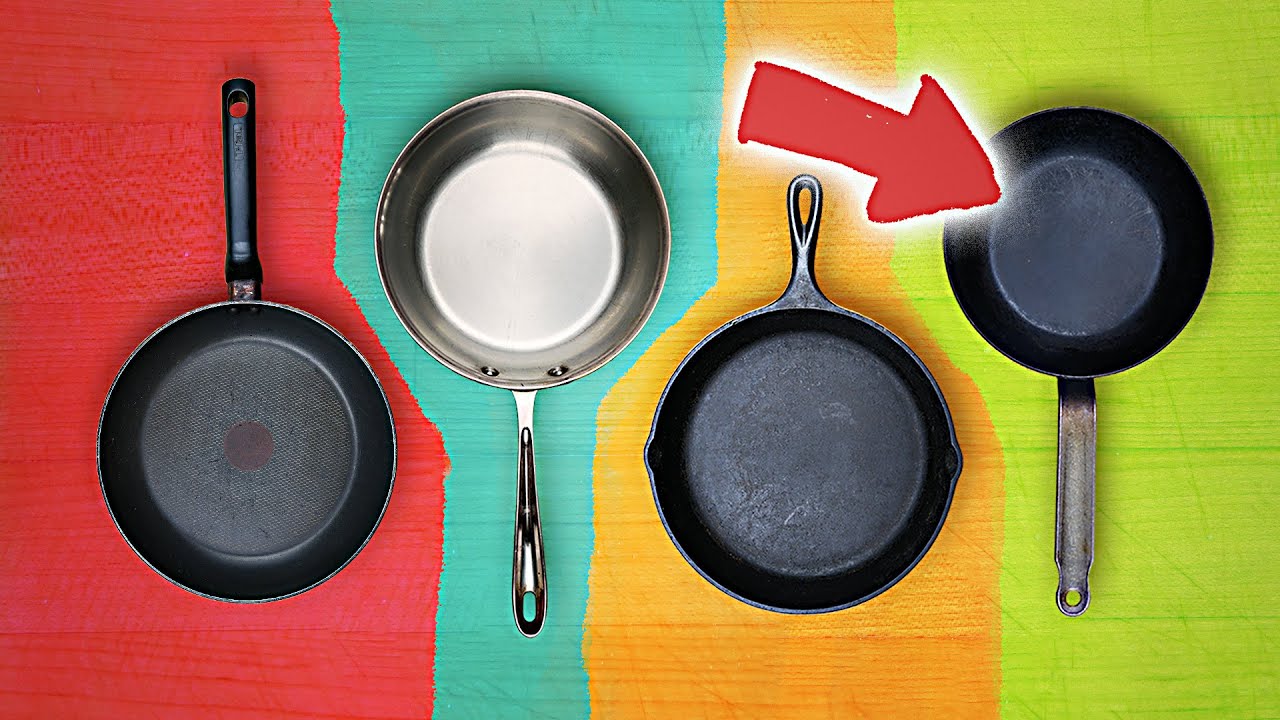
Stove Compatibility: Not Every Wok Fits Every Kitchen
Classic circular-bottomed woks are designed for effectual gas burners with wok earrings - the sort came across in Chinese restaurants or open air setups. If you could have a flat electric or induction stove at domestic, flat-bottomed variations exist in equally forged iron and carbon metal.
From my own trials, carbon metallic flat-bottomed woks adapt improved to electrical or induction stages in view that they sit down flush with the heating part and don’t take as lengthy to warm up. Cast iron flat-bottomed woks paintings too but sense lumbering on weaker burners by way of their mass.
For gas stoves with sufficient BTUs (ideally 15,000 or above), both form works smartly with a wok ring or direct touch.
Buying Tips: What to Look for in Each Type
With so many manufacturers and expense issues, how do you desire? Here’s a quick tick list of what concerns such a lot:
Before You Buy: Essential Considerations
Weight and Feel: Visit a store if a possibility. Pick up each wok model to see what feels mushy for your palms and wrists. Size: For house use, 12 to fourteen inches is flexible. Larger sizes are unwieldy until you’re cooking for crowds. Handle Style: Decide among loop handles (superb for oven use or steaming) and lengthy handles (more suitable for tossing and quick stir-fries). Pre-seasoned vs Raw: Beginners can even want pre-seasoned woks to pass the preliminary seasoning step. Price: Good carbon steel woks are ordinarilly much less pricey than solid iron and be offering higher first-class at cut costs.My Experiences: Learning Through Use
When I first all started cooking Chinese nutrients at home, I theory heavier intended higher. My forged iron wok seared fantastically but challenged my wrists. After switching to carbon steel, I loved the freedom to toss additives with one hand and alter warmness with the other. However, I nevertheless go https://zenwriting.net/fotlannkxq/price-comparison-cast-iron-wok-vs-carbon-steel-wok-pxzf back to my historical cast iron wok for dishes that require consistent warmth or longer cooking times.
I’ve additionally seen that my carbon metal wok improves with use - after approximately 20 foods, it stopped sticking absolutely. The cast iron took longer to tender out but now releases cuisine simply as conveniently.
Friends with one of a kind kitchens have suggested distinct reports. One swears with the aid of her carbon metal wok on an induction cooktop; an alternative prefers forged iron for outside grilling and campfire cooking because of its resilience.
Which Should You Choose?
There’s no wide-spread solution. Your stove classification, cooking kind, and willingness to handle seasoning all come into play.
If you need instant stir-fries and crave wok hei, and feature a stable fuel burner or induction stove, carbon steel sounds like an extension of your hand after a number of uses. If you deep-fry generally or just like the proposal of passing down cookware for your grandchildren, cast iron grants balance and historical past.
Most skilled chefs who love wok cooking find yourself proudly owning equally - every one brings one thing extraordinary to the table. If you have got to pick one as a beginner, carbon metal is basically more forgiving and versatile for well-known use.
Final Thoughts: Start Cooking and Build Your Own Patina
No topic which fabric you decide, employing your wok repeatedly issues more than agonizing over the easiest choice. Season it properly, cook dinner recurrently, and permit it evolve with you. Both forged iron and carbon metallic present endurance and exercise - quickly ample, you’ll have a wok that tells your very own story through each meal.
If you’re nonetheless doubtful, borrow or address either models earlier than buying. Cooking is not very simply technology but craft; purely expertise finds what feels top in your fingers and matches your habits handiest.
Whichever route you're taking within the solid iron wok vs carbon metallic debate, enjoy the system - your very best nutrients are yet to come.